top of page

BLACK BEAR DIET

Black bears are omnivores.  Insects and animal matter are less than 10% of the annual black bear diet around Ely and across most of North America.

Vegetation is the mainstay of a black bear’s diet. They follow different nutrient concentrations, eating different plants and plant parts in different seasons. For example, they eat Aspen Catkins in April and Aspen leaves in May.

Almost all natural bear foods are sustained by moisture.   Dry weather periods may cause a scarcity in natural food sources.  Drought.gov provides data on current and forecast moisture conditions.

What do bears eat.jpg

Information provided by the Wildlife Research Institute and members of the BearTeam

All seasons

American Vetch

Spring, Summer

American Vetch

Animal Protein

Spring

Animal Protein

Ant Pupae/Brood

Late Spring to Late Summer

Ant Pupae/Brood

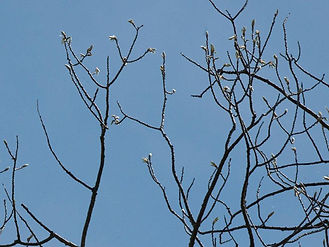
Aspen - Big-Tooth, Quaking or Trembling

Late Winter, Spring

Aspen - Big-Tooth, Quaking or Trembling

Baneberry - Red and White

Never Eaten

Baneberry - Red and White

Beaked Hazel, American Hazel - Flower Parts

Late Winter

Beaked Hazel, American Hazel - Flower Parts

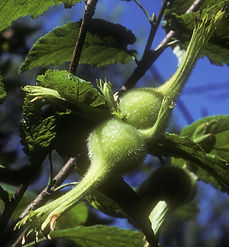
Beaked Hazel, American Hazel - Nuts

Summer, Autumn

Beaked Hazel, American Hazel - Nuts

Black Ash

Late Winter

Black Ash

Bluebead Lily

Never Eaten

Bluebead Lily

Bunchberry

Summer

Bunchberry

Canada Bluejoint

Spring

Canada Bluejoint

Cattail

Spring, Summer

Cattail

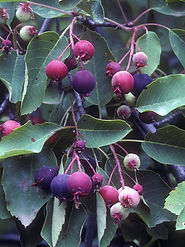
Chokecherry

Summer, Autumn

Chokecherry

Common Dandelion, Red-seeded Dandelion

Summer

Common Dandelion, Red-seeded Dandelion

Coralroot Orchid

Occasionally Eaten

Coralroot Orchid

Creamy peavine, Veiny pea

Spring, Summer

Creamy peavine, Veiny pea

Downy Arrowwood

Summer

Downy Arrowwood

Interrupted Fern

Spring

Interrupted Fern

Jewelweed

Summer

Jewelweed

Juneberry

Summer

Juneberry

bottom of page